About
A little about me
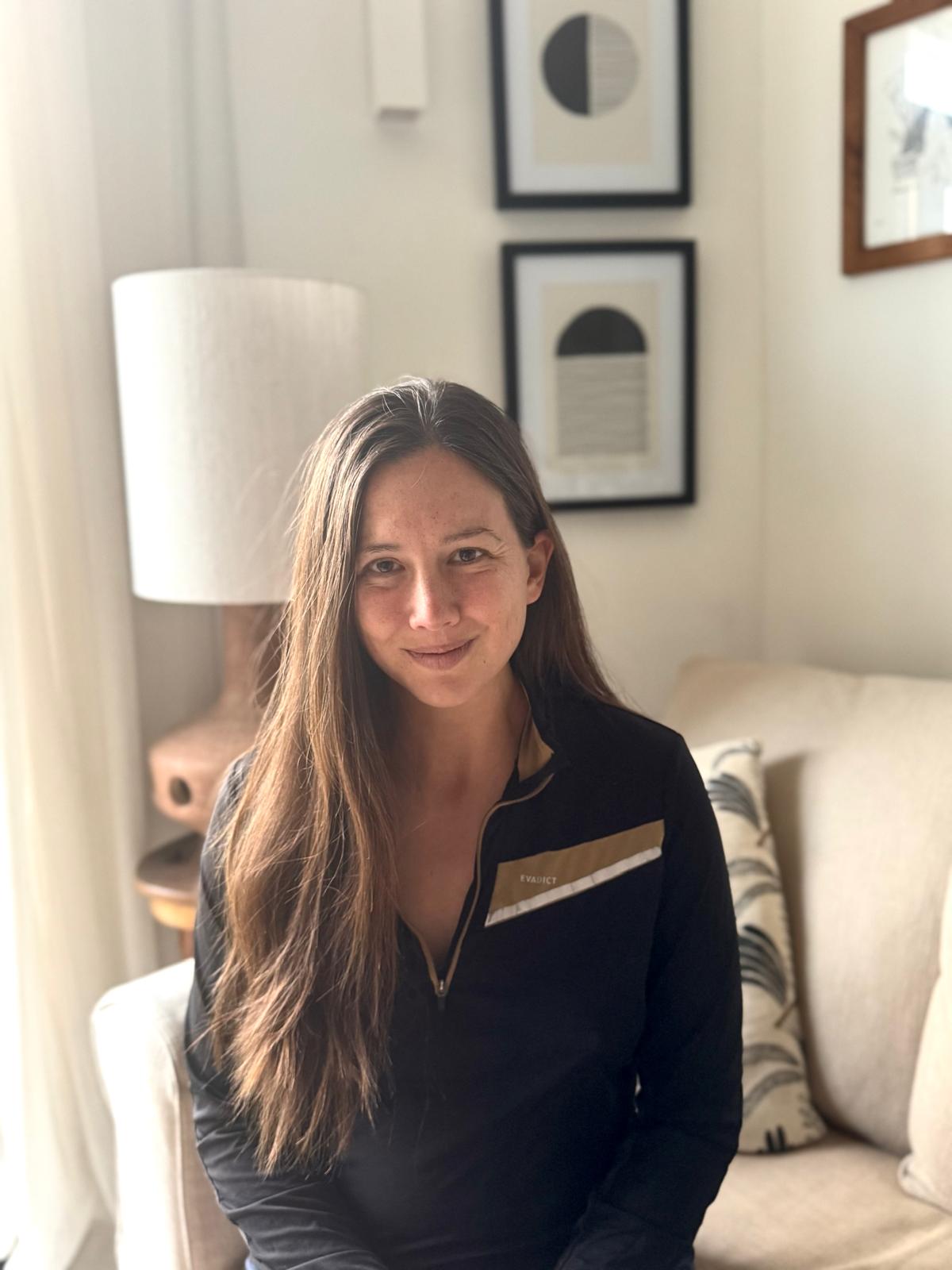
Hi, I’m Dr Claira, a Clinical Psychologist registered with the HCPC. If you’re reading this, there’s a good chance you’re feeling overwhelmed, stuck, or exhausted, and that’s a completely reasonable place to be. Many of the people I work with are navigating the intersection between long-term health conditions and experiences of trauma, stress, or adversity. Most of us face difficult or traumatic events at some point in our lives, and when these interact with ongoing health challenges, recovery can feel complex or even impossible. This is where psychological therapy can help.
In my NHS role, I work across an Intensive Care Unit and Adult Clinical Health Psychology service, supporting people coping with critical illness and long-term conditions. In private practice, I bring that same specialism to adults managing the psychological impact of chronic health difficulties.
My approach focuses on gently unblocking the processes that have become stuck, and creating the conditions that allow healing to unfold naturally. Often, what we find is that something from the past is still alive in the present, still shaping how the body and mind respond now, and that’s usually where the work begins. I aim to work alongside you, at your pace, to help you reconnect with your strengths, reduce distress, and move towards a life that feels more manageable and meaningful.
I’m interested in working alongside you to understand the root cause of your difficulties, rather than treating the symptoms. Other modern therapies focus on giving tools and roadmaps for recovery, and there’s real value in that work, but it isn’t how I choose to practise. I believe that when what’s blocked is gently unblocked, people naturally find their own way towards health and wellbeing.
Approach
EMDR & ISTDP
I draw primarily on two evidence-based approaches, often used together depending on what someone needs.
EMDR
Eye Movement Desensitisation and Reprocessing is a structured, evidence-based therapy recommended for treating trauma and a wide range of distressing experiences. It helps the brain reprocess memories that feel “stuck,” so they lose their emotional charge and no longer intrude on daily life.
ISTDP
Intensive Short-Term Dynamic Psychotherapy focuses on the emotional and relational patterns that keep people stuck. It works directly with the feelings and defences that get in the way of change, helping you access and process emotion more directly, often more quickly than traditional talking therapy.
Compassion FocusedTrauma FocusedEmotionally FocusedRelationalPerson-CentredIntegrativeCulturally Sensitive
Being French-British and ethnically Vietnamese also shapes how I bring cultural sensitivity into the room.
Specialism
Long-term health conditions
My particular area of expertise is the psychological impact of long-term and chronic health conditions: IBS, colitis, Crohn’s, functional disorders, unexplained symptoms, chronic pain and fatigue, cancer, and the aftermath of critical illness or a stay in Intensive Care. This extends to people recovering from traumatic hospital admissions, Long Covid, accidents, and injuries. Living with these conditions is rarely just physical; it often carries grief, anxiety, trauma, and a sense of loss that general talking therapy isn’t always equipped to address.
In my experience, many of the people I see for chronic health conditions have also lived through difficult or traumatic experiences earlier in life. The two are often more connected than people realise when they first come to therapy.
This kind of specialist support can be hard to find locally, which is why I work with clients nationwide and abroad, online. Wherever you’re based, you can access support that sits alongside your existing medical care.
Chronic IllnessChronic PainCancerPost Intensive Care SyndromeLong CovidTraumatic Hospital AdmissionsAccidents & InjuriesTrauma and PTSDAnxietyStressOCDObesityArmed ForcesWomen’s IssuesSports Performance
Making an informed choice
Why choose a Clinical Psychologist?
In the UK, “Clinical Psychologist” is a protected title, regulated by law through the Health and Care Professions Council (HCPC), the body that regulates health and care professionals in the UK, much like a medical doctor is protected by the General Medical Council. It requires accredited doctoral-level training and years of supervised clinical practice.
Titles such as “counsellor,” “psychotherapist,” and “therapist” aren’t legally protected in the UK, so training, oversight, and complaints processes can vary quite a bit between practitioners, a bit like the gap between a medical doctor and other unregulated, alternative health professions.
My fee reflects that training and accountability, and it’s simply useful context as you think about who feels like the right fit for you.
Training
My training
-
BSc PsychologyParis Descartes University, France
-
MSc Forensic PsychologyKing’s College London, United Kingdom
-
Postgraduate Diploma, Low Intensity Cognitive Behaviour TherapyUniversity College London, United Kingdom
-
Doctorate in Clinical Psychology (DClinPsy)University of Plymouth, United Kingdom
-
EMDR TrainingRobin Logie, EMDR Europe
-
ISTDP Training (ongoing)Leo Russel, ISTDP Health
Fees
Session fees
Payment by bank transfer.
Availability
Nationwide, online
All sessions take place online, usually in the afternoons and evenings. This is what allows me to work with clients nationwide and abroad, wherever you’re based.
FAQ
Common questions
What does a Clinical Psychologist do for people with long-term health conditions?
A Clinical Psychologist supports the emotional and psychological impact of living with a long-term health condition, including trauma, anxiety, grief, and stress that often accompany conditions like IBS, chronic pain, cancer, or a stay in Intensive Care. I specialise in this intersection of physical health and psychological wellbeing, using approaches including EMDR and ISTDP.
What’s the difference between a Clinical Psychologist and a counsellor or therapist?
In the UK, “Clinical Psychologist” is a protected title regulated by law through the HCPC, requiring doctoral-level training and years of supervised clinical practice. Titles such as “counsellor,” “psychotherapist,” and “therapist” aren’t legally protected, so training standards can vary.
Do you see clients outside London?
Yes. Because this specialism is uncommon, I work with clients nationwide and abroad, with sessions held online, usually in the afternoons and evenings.
What therapy approaches do you use?
I draw primarily on EMDR (Eye Movement Desensitisation and Reprocessing) and ISTDP (Intensive Short-Term Dynamic Psychotherapy), often used together, alongside compassion-focused, trauma-focused, and relational ways of working.
How much does a session cost?
Individual sessions are £120 for up to 60 minutes. EMDR sessions are £150 for up to 90 minutes. Payment is by bank transfer.
Are you HCPC registered?
Yes. I’m a Clinical Psychologist (DClinPsy) registered with the Health and Care Professions Council (HCPC), registration number PYL046662, the legal regulator for Clinical Psychologists in the UK.
How do I book an appointment?
Send me an email with a little about what you’d like to work on, and I’ll get back to you to arrange a first session.
Endorsement
What colleagues say
“Dr Claira is a wonderfully warm and supportive Clinical Psychologist. Claira holds highly specialised therapeutic skills and an ability to integrate different approaches to effectively help clients. I highly recommend her practice.”— Dr Meg Stuart-Richards, Psychologist, PsychD, HCPC – Clin. Psych.